Stocking up in the sales? Check the price per unit first
Big packs and "buy 2, get 1" offers aren't always cheaper. How to compare unit prices, which essentials are worth stocking up on, and when to skip.
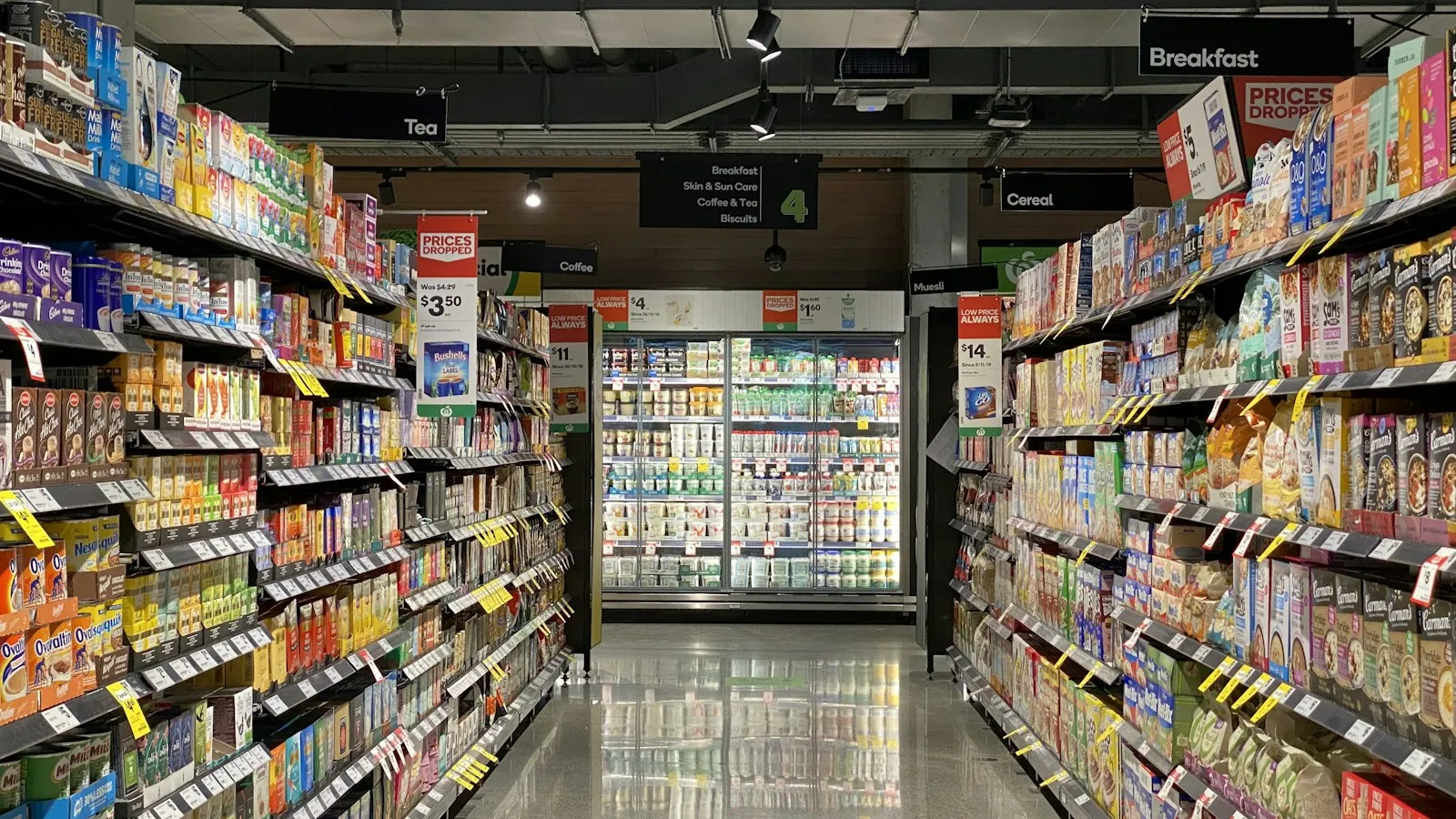
The sales aren't only about phones and TVs. Grocery sections on Amazon and Noon, and supermarket apps, fill up with offers on oil, detergent, diapers and coffee. Stocking up can save real money, but only if the math works.
1. Compare the price per unit
A big pack looks cheaper, but compare the price per kilo, per liter or per piece. Divide the price by the quantity.
Example: a 1 kg pack of detergent at 95 EGP is 95 EGP per kilo. A 4 kg pack at 420 EGP is 105 EGP per kilo. The big pack is the more expensive one.
2. Read "buy 2, get 1" carefully
- Does the offer work on the same item only, or on anything in the range?
- Did the single price go up before the offer started?
- Will you actually use all three before they expire?
3. Check expiry dates
Items close to their expiry date are often the ones with the deepest discounts. Check the date on the product page or ask before you order, and check again when it arrives.
What's worth stocking up on
- Things that last a long time: detergents, cleaning products, tissues, shampoo, toothpaste.
- Things you use every week and always buy in the same brand: rice, oil, coffee, diapers.
What to skip
- Fresh food and anything with a short shelf life.
- A brand you've never tried. Buy one first.
- More than you have space for. A cupboard full of offers isn't a saving if half of it expires.
4. Watch the minimum order and the delivery fee
Grocery orders often need a minimum for free delivery. Put your essentials in one order instead of several small ones, and make sure the delivery fee doesn't eat the discount.
Before you check out, open the store through Waffrlly to see if there's a working code for your basket.